

The Independent Traveller’s Guide, In the rapidly evolving world of travel, artificial intelligence (AI) is transforming the way we explore and experience new destinations. For the independent traveler, leveraging AI can enhance planning, navigation, safety, and overall travel satisfaction. In this comprehensive guide, we delve into how AI can revolutionize your travel adventures in 2024, making your journeys smoother, more efficient, and incredibly enriching.
Read More: We Are About To Learn A Whole Lot More About How The Human Body Reacts To Space 2024
1. Personalised Travel Planning

AI-Powered Itinerary Builders
Creating the perfect travel itinerary can be a daunting task. Enter AI-powered itinerary builders like Google Trips and TripHobo. These tools use complex algorithms to understand your preferences, interests, and past travel behavior to suggest personalized travel plans. They can recommend destinations, activities, and dining options that align with your tastes, ensuring a tailored travel experience.
Smart Booking Systems
AI has revolutionized booking systems. Platforms like Hopper and Skyscanner use AI to predict flight price trends, helping you book flights at the most economical rates. AI-driven recommendation engines on hotel booking sites suggest accommodations based on your past preferences, reviews, and price sensitivity, ensuring you find the best deals and the perfect place to stay.
2. Enhanced Navigation and Transportation
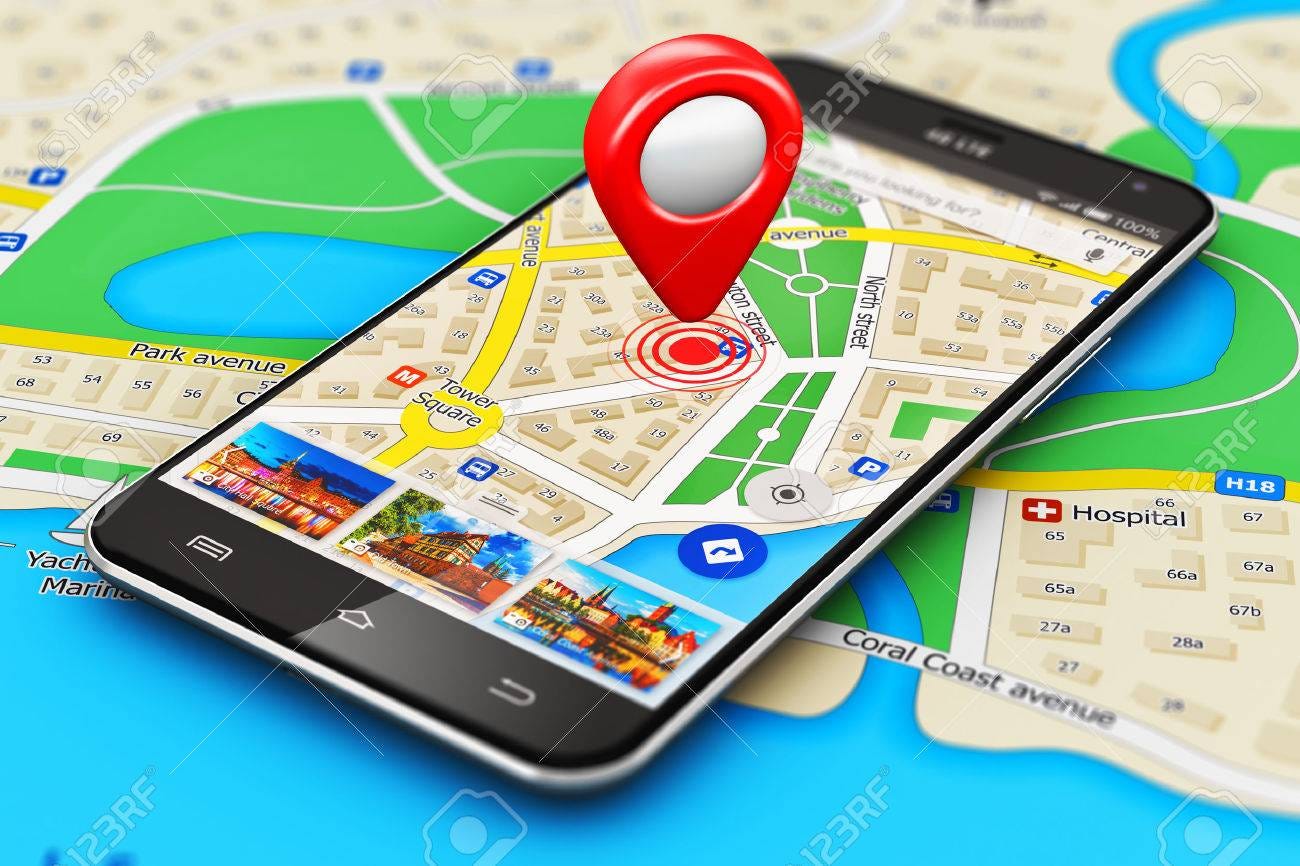
Intelligent Navigation Apps
Gone are the days of getting lost in a foreign city. AI-enhanced navigation apps like Google Maps and Waze provide real-time updates on traffic, suggest the fastest routes, and even recommend scenic paths for a more enjoyable journey. These apps learn from user data to improve accuracy and provide tailored recommendations.
Smart Public Transportation Systems
Cities worldwide are adopting AI to enhance public transportation. Apps like Citymapper integrate various transportation modes—buses, trains, rideshares—into a seamless travel plan. AI ensures optimal routes, minimizing wait times and transfers, making it easier for travelers to navigate complex urban environments.
3. Enhanced Safety and Security

Real-Time Travel Alerts
Safety is paramount for any traveler. AI-powered platforms like Sitata and Safeture provide real-time alerts about local conditions, from weather updates to security threats. These apps analyze vast amounts of data to predict and warn about potential dangers, ensuring you stay informed and safe.
Health Monitoring Apps
With the ongoing global health concerns, AI-driven health monitoring apps like Apple Health and Google Fit can be lifesavers. These apps track your health metrics, provide reminders for medication, and even offer advice on local healthcare facilities. In case of an emergency, they can provide critical health data to medical professionals.
4. Seamless Language Translation
Real-Time Translation Apps
Language barriers can be a significant challenge for independent travelers. AI-powered translation apps like Google Translate and iTranslate offer real-time translation services. These apps can translate text, voice, and even images (e.g., signboards and menus), making communication effortless and ensuring you can interact smoothly with locals.
AI-Driven Language Learning
For those who prefer to learn basic phrases of the local language, AI-driven platforms like Duolingo and Babbel provide personalized language learning experiences. These apps adapt to your learning pace and style, making it easier to acquire essential communication skills before and during your trip.
5. Immersive Experiences Through AI
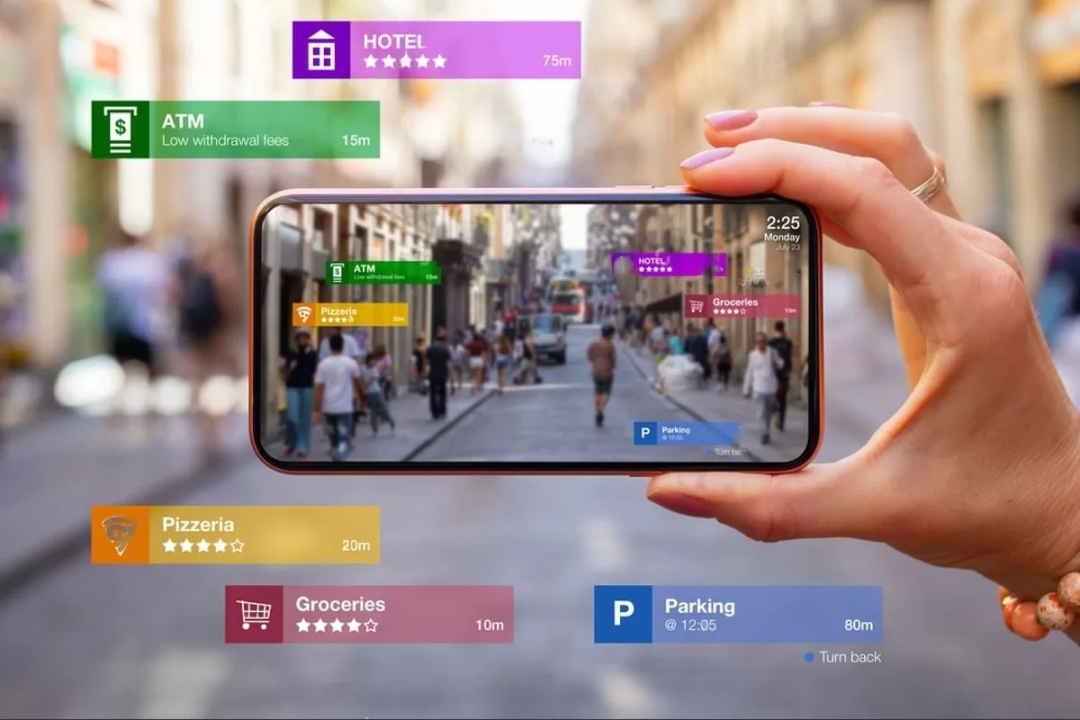
Virtual Reality (VR) and Augmented Reality (AR)
AI has brought about significant advancements in VR and AR, offering travelers immersive pre-travel experiences. Platforms like Google Earth VR and Ascape allow you to virtually explore destinations, helping you decide where to visit. AR apps like Blippar provide enriched on-site experiences by overlaying digital information on the physical world, enhancing your understanding and enjoyment of attractions.
Personalized Travel Guides
AI-powered travel guides like TravelBird use machine learning to curate personalized experiences based on your interests and preferences. These guides offer suggestions for off-the-beaten-path attractions, local events, and unique cultural experiences, ensuring you have a memorable and customized journey.
6. Efficient Expense Management

AI-Driven Budgeting Apps
Managing travel expenses can be challenging. AI-driven budgeting apps like Trail Wallet and Expensify simplify this process. These apps track your spending in real-time, categorize expenses, and provide insights into your spending habits. They can even suggest cost-saving measures based on your budget and location.
Currency Conversion Tools
AI-powered currency conversion tools like XE Currency offer real-time exchange rate updates, ensuring you get the best value for your money. These tools can also predict currency trends, helping you make informed decisions about when to exchange money.
7. Sustainable Travel Choices
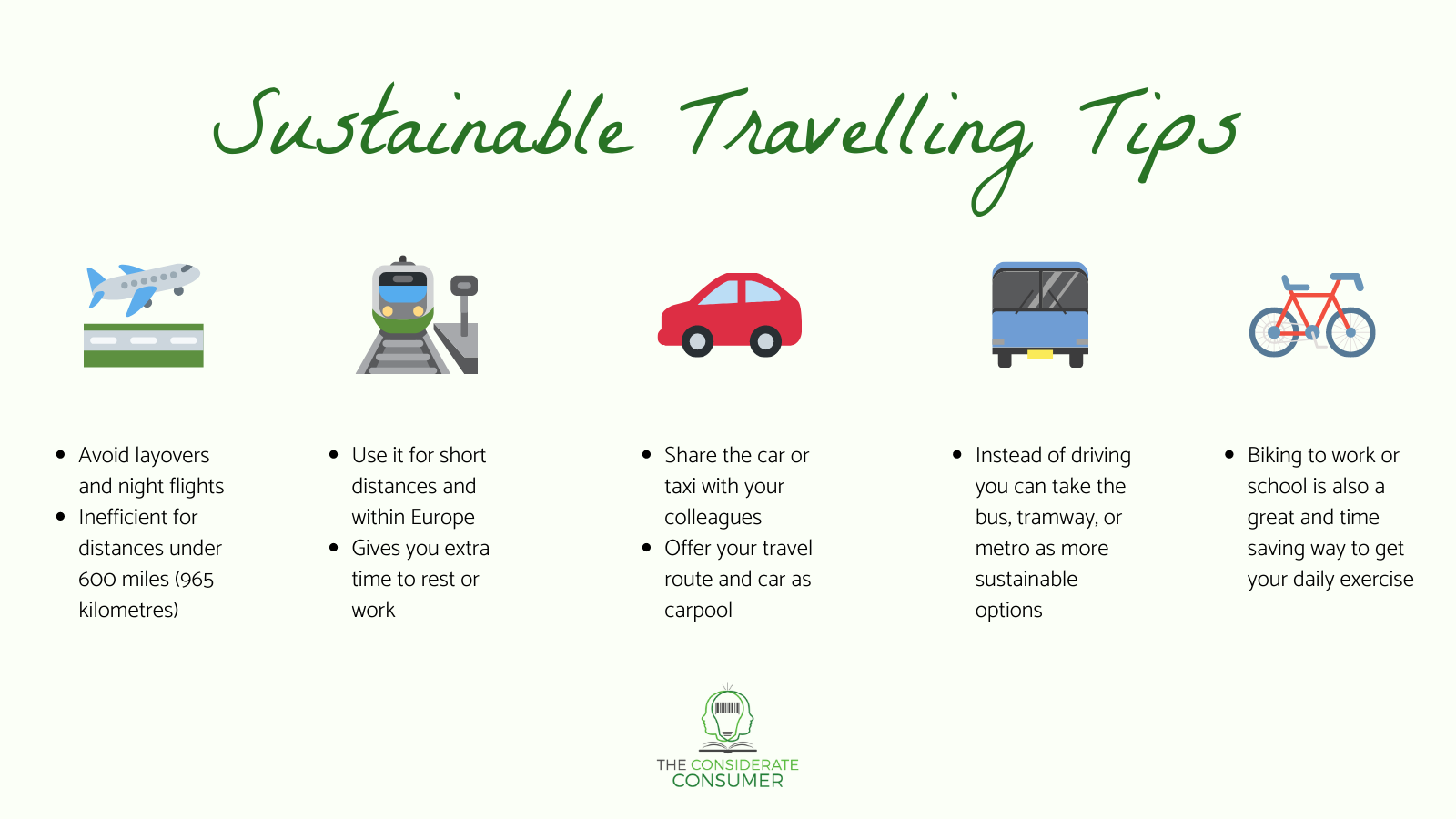
Eco-Friendly Travel Apps
With growing awareness of the environmental impact of travel, AI can help you make sustainable choices. Apps like Jubel and Green Trip Planner recommend eco-friendly accommodations, transportation options, and activities. These platforms consider your carbon footprint and suggest ways to minimize your environmental impact while traveling.
Carbon Offset Calculators
AI-powered carbon offset calculators like myclimate and Carbon Footprint help you measure and offset your travel-related carbon emissions. These tools provide insights into the environmental impact of your travel and suggest ways to offset it, promoting more responsible travel practices.
8. Streamlined Customer Service

AI Chatbots and Virtual Assistants
Customer service in the travel industry has been revolutionized by AI chatbots and virtual assistants. Platforms like Amelia and ChatGPT provide 24/7 support, answering queries, and resolving issues in real-time. These AI systems can handle a wide range of tasks, from booking changes to providing travel advice, enhancing your travel experience.
Smart Customer Feedback Systems
AI-powered feedback systems like Medallia analyze customer reviews and feedback to improve services. These systems use natural language processing (NLP) to understand traveler sentiments and provide actionable insights to service providers, ensuring continuous improvement in travel experiences.
Conclusion
Leveraging AI in 2024 will undoubtedly enhance your travel experiences, making them more personalized, efficient, and enjoyable. From planning and navigation to safety and sustainability, AI offers myriad benefits for the independent traveler. Embrace these technologies to unlock new levels of convenience and adventure on your journeys.