

Revolutionary Hypersonic Glide Vehicle , represents a significant leap in defense technology. As a cutting-edge weapon system, the HGV 202F can travel at hypersonic speeds, exceeding five times the speed of sound. This capability not only enhances its offensive potential but also its ability to evade conventional missile defense systems. Developed with the latest advancements in aerodynamics and materials science, the HGV 202F is set to redefine strategic military operations. This article delves into the specifications, technological innovations, and strategic implications of the HGV 202F.
Read More:
DRDO 2024 Updates: Latest News On India’s Defense R&D
Specifications and Features of HGV 202F
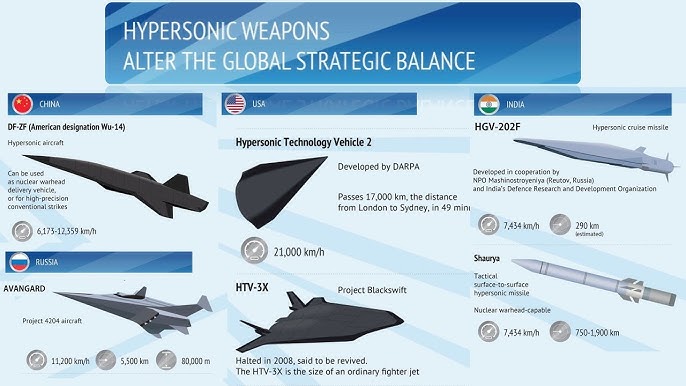
The HGV 202F is equipped with state-of-the-art features designed for maximum performance and stealth. Its lightweight, heat-resistant composite materials enable it to withstand the extreme conditions of hypersonic flight. The vehicle boasts advanced navigation systems that allow for precise targeting, even at incredible speeds. It has a sleek, aerodynamic design that minimizes air resistance and enhances maneuverability. Additionally, the HGV 202F is powered by a scramjet engine, which provides sustained hypersonic propulsion. This combination of features makes the HGV 202F a formidable addition to any nation’s defense arsenal.
Technological Advancements in HGV 202F

The development of the HGV 202F incorporates several technological breakthroughs. One key advancement is in materials science, where new composites have been developed to endure the high temperatures and pressures of hypersonic flight. Another critical innovation is in propulsion technology, particularly the scramjet engine, which allows for sustained high-speed travel. The HGV 202F also benefits from advancements in computational fluid dynamics, which have optimized its aerodynamic profile for maximum efficiency. These technologies collectively contribute to the HGV 202F’s superior performance and strategic capabilities.
Military Applications of HGV 202F

The HGV 202F’s primary application lies in its ability to deliver rapid and precise strikes. Its hypersonic speed and maneuverability make it exceptionally difficult to intercept, providing a strategic advantage in modern warfare. It can be used to neutralize high-value targets swiftly, from enemy command centers to critical infrastructure. Additionally, the HGV 202F enhances deterrence by presenting a credible threat that adversaries must account for in their strategic planning. Its deployment can also serve as a powerful tool in power projection, signaling technological and military prowess.
Development Timeline and Future Prospects
The HGV 202F has undergone a rigorous development process, marked by extensive testing and refinement. Initial prototypes were tested in controlled environments to assess performance and identify areas for improvement. Subsequent phases involved live-fire tests to validate the vehicle’s capabilities in real-world conditions. Looking forward, the HGV 202F is poised to play a pivotal role in the next generation of defense systems. Continued research and development are expected to further enhance its capabilities, ensuring it remains at the forefront of hypersonic technology.
Comparisons with Traditional Missile Systems

Unlike traditional missile systems, the HGV 202F operates at hypersonic speeds, significantly reducing the time between launch and impact. This speed advantage allows it to penetrate advanced missile defense systems that rely on slower-moving interceptors. Additionally, the HGV 202F’s maneuverability provides a level of unpredictability that traditional ballistic missiles lack. While conventional missiles follow a predictable trajectory, the HGV 202F can alter its path mid-flight, complicating interception efforts. These attributes make the HGV 202F a more versatile and formidable weapon.
Conclusion
The Hypersonic Glide Vehicle HGV 202F represents a transformative advancement in military technology. Its combination of speed, precision, and stealth marks a new era in strategic defense. As nations continue to develop and deploy hypersonic weapons, the HGV 202F stands out as a leading example of this revolutionary capability. By understanding its specifications, technological innovations, and strategic applications, we gain insight into the future of warfare and the pivotal role that hypersonic technology will play.
FAQs about Hypersonic Glide Vehicle HGV 202F 2024
What is the Hypersonic Glide Vehicle HGV 202F?
The Hypersonic Glide Vehicle HGV 202F is an advanced weapon system capable of traveling at hypersonic speeds, which exceed five times the speed of sound. It is designed for rapid and precise strikes, making it a significant innovation in modern defense technology.
How fast can the HGV 202F travel?
The HGV 202F can travel at speeds exceeding Mach 5, which is more than five times the speed of sound. This hypersonic speed allows it to reach targets quickly and evade traditional missile defense systems.
What are the key features of the HGV 202F?
The HGV 202F features lightweight, heat-resistant composite materials, advanced navigation systems for precise targeting, a sleek aerodynamic design, and a scramjet engine for sustained hypersonic propulsion.
How does the HGV 202F differ from traditional missiles?
The HGV 202F differs from traditional missiles in several ways. It travels at hypersonic speeds, which significantly reduces the time between launch and impact. Its maneuverability allows it to alter its flight path mid-course, making it difficult to intercept. Traditional missiles typically follow a predictable ballistic trajectory and are slower.
What are the military applications of the HGV 202F?
The HGV 202F is used for rapid, precise strikes on high-value targets, such as enemy command centers and critical infrastructure. Its speed and maneuverability make it difficult to intercept, providing a strategic advantage in modern warfare. It also serves as a powerful deterrent and tool for power projection.
What technological advancements are incorporated in the HGV 202F?
The HGV 202F incorporates advancements in materials science, such as heat-resistant composites, and propulsion technology, specifically scramjet engines. It also benefits from improvements in computational fluid dynamics, which optimize its aerodynamic profile for maximum efficiency.
What is the development timeline for the HGV 202F?
The development of the HGV 202F involved extensive testing and refinement. Initial prototypes were tested in controlled environments, followed by live-fire tests to validate performance in real-world conditions. Continued research and development are ongoing to enhance its capabilities further.
What is the strategic significance of the HGV 202F?
The HGV 202F represents a significant advancement in defense technology, providing nations with a formidable weapon capable of rapid and precise strikes. Its ability to evade traditional missile defense systems enhances strategic deterrence and power projection, making it a critical asset in modern military arsenals.
How does the HGV 202F impact future warfare?
The HGV 202F is poised to play a pivotal role in future warfare by offering unparalleled speed, precision, and stealth. Its deployment could shift the balance of power and influence military strategies worldwide, as nations develop and integrate hypersonic technology into their defense systems.
What are the future prospects for hypersonic technology?
The future of hypersonic technology, including the HGV 202F, looks promising with ongoing research and development. Innovations in materials science, propulsion, and aerodynamics are expected to enhance the performance and capabilities of hypersonic vehicles, solidifying their role in the next generation of defense systems.