
How Does an Amoeba Obtain Its Food in 2024, amoebas are fascinating single-celled organisms that belong to the group of protozoans. These microscopic creatures have intrigued scientists for centuries due to their simple structure yet complex behaviors. One of the most captivating aspects of amoebas is their unique method of obtaining food. In this comprehensive article, we will explore how an amoeba obtains its food in 2024, delving into the biological mechanisms, adaptations, and the latest scientific insights into this remarkable process.
Read More: Best Gadgets Of 2024 You Must Have
Understanding the Amoeba
What is an Amoeba?
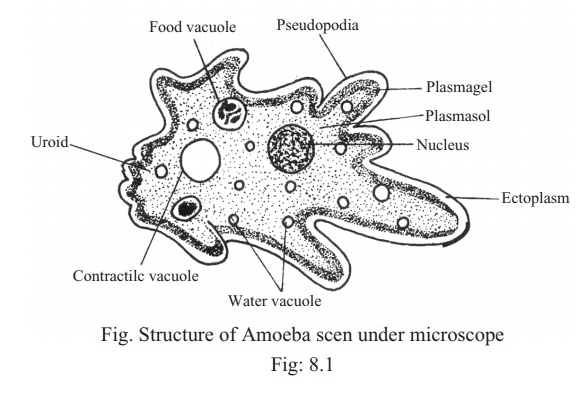
An amoeba is a type of protozoan that belongs to the kingdom Protista. These organisms are characterized by their ability to change shape, thanks to the flexible and gelatinous nature of their cytoplasm. Amoebas are found in a variety of environments, including freshwater, saltwater, soil, and as parasites in other organisms.
Structure of an Amoeba
The structure of an amoeba is relatively simple, consisting of the following components:
- Plasma Membrane: The outer boundary that encloses the cell and maintains its shape.
- Cytoplasm: The jelly-like substance within the cell, divided into two parts: the ectoplasm (outer, clear layer) and endoplasm (inner, granular layer).
- Nucleus: The control center of the cell, containing genetic material.
- Contractile Vacuole: A structure involved in osmoregulation, expelling excess water.
- Food Vacuoles: Membrane-bound structures that store and digest food particles.
Movement and Locomotion
Amoebas move using pseudopodia, which are temporary projections of the cell’s cytoplasm. This type of movement, known as amoeboid movement, allows the organism to navigate its environment and capture food.
How Amoebas Obtain Their Food
Phagocytosis: The Primary Method
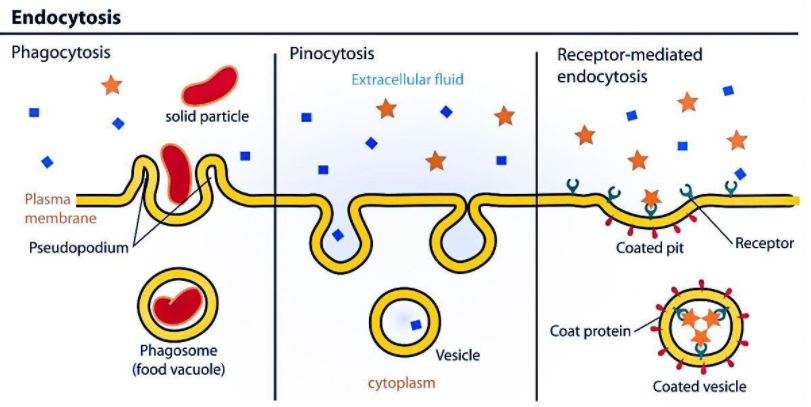
The primary method by which amoebas obtain their food is through a process called phagocytosis. This is a form of endocytosis where the cell engulfs solid particles to form an internal compartment known as a phagosome. The steps involved in phagocytosis are as follows:
- Detection of Food: Amoebas use chemical signals to detect the presence of food particles, such as bacteria, algae, or organic matter in their environment.
- Engulfment: The amoeba extends its pseudopodia around the food particle, enclosing it within a portion of the plasma membrane.
- Formation of a Food Vacuole: The enclosed food particle is internalized into the cell, forming a food vacuole (phagosome).
- Digestion: Lysosomes, which contain digestive enzymes, fuse with the food vacuole. The enzymes break down the food into smaller molecules that can be absorbed by the cell.
- Absorption: The digested nutrients are absorbed into the cytoplasm, providing the amoeba with energy and essential nutrients.
- Excretion: Undigested remnants are expelled from the cell through exocytosis.
Role of Pseudopodia in Feeding
Pseudopodia play a crucial role in the feeding process. These temporary extensions of the cytoplasm enable the amoeba to surround and engulf food particles. The flexibility and adaptability of pseudopodia allow amoebas to capture a wide variety of prey, ranging from microscopic bacteria to larger organic particles.
Chemotaxis: Navigating Towards Food
Chemotaxis is the movement of an organism in response to a chemical stimulus. Amoebas exhibit positive chemotaxis when they move towards higher concentrations of food-related chemicals. This behavior ensures that amoebas can efficiently locate and move towards potential food sources in their environment.
Adaptations for Efficient Feeding
Flexible Cell Membrane
The flexible nature of the amoeba’s plasma membrane is a significant adaptation that facilitates phagocytosis. This flexibility allows the cell to extend its pseudopodia in various directions, enabling the efficient capture of food particles.
Digestive Enzymes
Amoebas produce a variety of digestive enzymes that break down complex food particles into simpler molecules. These enzymes are stored in lysosomes and are released into food vacuoles during the digestion process. The ability to produce a wide range of enzymes enables amoebas to digest different types of prey effectively.
Regulation of Osmotic Pressure
Amoebas live in environments where the concentration of solutes can vary significantly. The contractile vacuole plays a crucial role in regulating osmotic pressure by expelling excess water from the cell. This adaptation prevents the cell from bursting due to osmotic imbalance and ensures the efficient functioning of the digestive process.
The Impact of Environmental Changes on Amoeba Feeding
Climate Change and Habitat Alteration
Climate change and environmental degradation have the potential to impact the habitats of amoebas. Changes in temperature, pH, and the availability of nutrients can affect the abundance and types of prey available to amoebas. Researchers in 2024 are actively studying the effects of these changes to understand how amoebas adapt their feeding strategies in response to environmental stressors.
Pollution and Contaminants
Pollution and the presence of contaminants in water bodies can influence the feeding behavior of amoebas. Some pollutants may interfere with the chemical signals that amoebas use to detect food, while others may affect the health and viability of their prey. Understanding the impact of pollutants on amoeba feeding is crucial for assessing the ecological health of aquatic environments.
Scientific Advances in Studying Amoeba Feeding
High-Resolution Imaging Techniques
Advances in high-resolution imaging techniques, such as electron microscopy and fluorescence microscopy, have provided researchers with detailed insights into the feeding process of amoebas. These technologies allow scientists to observe the formation of pseudopodia, the engulfment of food particles, and the digestion process at a cellular level.
Genomic and Proteomic Analysis
Genomic and proteomic analyses have enabled researchers to identify the genes and proteins involved in amoeba feeding. By studying the expression of these genes and the functions of specific proteins, scientists can gain a deeper understanding of the molecular mechanisms that regulate phagocytosis and digestion.
Environmental DNA (eDNA) Studies
Environmental DNA (eDNA) studies involve the collection and analysis of DNA from environmental samples, such as water or soil. This approach allows researchers to detect the presence of amoebas and their prey in various habitats. eDNA studies provide valuable information on the biodiversity and ecological interactions of amoebas in different environments.
The Role of Amoebas in Ecosystems
Nutrient Cycling
Amoebas play a vital role in nutrient cycling within ecosystems. By consuming bacteria and other microorganisms, amoebas help regulate microbial populations and recycle nutrients back into the environment. This process is essential for maintaining the balance of microbial communities and supporting the overall health of ecosystems.
Food Web Dynamics
Amoebas are an integral part of aquatic and soil food webs. They serve as both predators and prey, influencing the population dynamics of other organisms. By preying on bacteria and other microorganisms, amoebas help control the abundance of these populations. At the same time, amoebas are a food source for larger predators, such as small invertebrates.
Indicator Species
Due to their sensitivity to environmental changes, amoebas are often used as indicator species for assessing the health of ecosystems. Changes in amoeba populations can signal shifts in environmental conditions, such as pollution, nutrient levels, and habitat quality. Monitoring amoeba populations can provide valuable insights into the ecological impacts of human activities and natural processes.
Future Research Directions
Understanding Amoeba Adaptation Mechanisms
Future research aims to uncover the mechanisms by which amoebas adapt to changing environmental conditions. By studying the genetic and physiological responses of amoebas to stressors such as temperature fluctuations, pollution, and habitat loss, scientists can gain insights into the resilience and adaptability of these organisms.
Exploring Symbiotic Relationships
Researchers are increasingly interested in exploring the symbiotic relationships between amoebas and other microorganisms. Some amoebas form mutualistic associations with bacteria, algae, or fungi, where both partners benefit from the interaction. Understanding these relationships can shed light on the ecological roles of amoebas and their contributions to ecosystem functioning.
Developing Biotechnological Applications
The unique feeding mechanisms of amoebas have potential applications in biotechnology. For example, the ability of amoebas to engulf and digest a wide range of particles could be harnessed for bioremediation, where amoebas are used to clean up contaminated environments. Additionally, studying the enzymes produced by amoebas could lead to the development of novel biocatalysts for industrial processes.
Conclusion
The process by which amoebas obtain their food is a fascinating example of the complexity and adaptability of single-celled organisms. Through the primary method of phagocytosis, amoebas can detect, engulf, and digest a variety of food particles, providing them with the nutrients needed for survival and growth. Advances in scientific research have deepened our understanding of this process, revealing the intricate biological mechanisms and adaptations that enable amoebas to thrive in diverse environments.
As we move forward into 2024, continued research on amoeba feeding behavior and their role in ecosystems will provide valuable insights into the resilience of these organisms and their contributions to ecological health. By exploring the genetic, physiological, and ecological aspects of amoeba feeding, scientists can unlock new knowledge that may lead to innovative applications in biotechnology and environmental management.
FAQ’s on How an Amoeba Obtains Its Food in 2024
1. What is an amoeba?
An amoeba is a type of protozoan, a single-celled organism, belonging to the kingdom Protista. Amoebas are characterized by their ability to change shape due to the flexible and gelatinous nature of their cytoplasm. They can be found in various environments such as freshwater, saltwater, soil, and as parasites in other organisms.
2. How does an amoeba move?
Amoebas move using pseudopodia, which are temporary projections of their cytoplasm. This type of movement is known as amoeboid movement. The pseudopodia extend and contract, allowing the amoeba to navigate its environment and capture food.
3. What is phagocytosis?
Phagocytosis is the primary method by which amoebas obtain their food. It involves the engulfment of solid particles to form an internal compartment called a phagosome. The process includes detecting food, engulfing it with pseudopodia, forming a food vacuole, digesting the food with enzymes, absorbing the nutrients, and expelling undigested remnants.
4. How do amoebas detect their food?
Amoebas detect food through chemical signals in their environment. They exhibit positive chemotaxis, meaning they move towards higher concentrations of food-related chemicals, which helps them locate potential food sources efficiently.
5. What role do pseudopodia play in feeding?
Pseudopodia play a crucial role in feeding by extending around food particles, enclosing them within the plasma membrane, and forming food vacuoles. Their flexibility and adaptability enable amoebas to capture a wide variety of prey.
6. What happens inside the food vacuole?
Inside the food vacuole, digestive enzymes from lysosomes break down the engulfed food particles into simpler molecules. These nutrients are then absorbed into the cytoplasm, providing the amoeba with energy and essential nutrients.
7. How do amoebas regulate osmotic pressure?
Amoebas regulate osmotic pressure using a contractile vacuole, which expels excess water from the cell. This prevents the cell from bursting due to osmotic imbalance and ensures the efficient functioning of the digestive process.
8. What environmental changes can impact amoeba feeding?
Environmental changes such as climate change, habitat alteration, and pollution can impact amoeba feeding. These changes can affect the availability and types of prey, the chemical signals used to detect food, and the overall health of amoeba populations.
9. How have advances in technology helped study amoeba feeding?
Advances in technology, including high-resolution imaging techniques, genomic and proteomic analysis, and environmental DNA (eDNA) studies, have provided detailed insights into the feeding process of amoebas. These technologies allow scientists to observe cellular processes, identify genes and proteins involved in feeding, and understand ecological interactions.
10. What role do amoebas play in ecosystems?
Amoebas play a vital role in nutrient cycling and food web dynamics within ecosystems. They help regulate microbial populations by consuming bacteria and other microorganisms and serve as both predators and prey, influencing the population dynamics of other organisms. Amoebas are also used as indicator species for assessing the health of ecosystems.
11. What future research directions are being explored for amoeba feeding?
Future research aims to understand amoeba adaptation mechanisms to environmental stressors, explore symbiotic relationships with other microorganisms, and develop biotechnological applications. Studying the genetic and physiological responses of amoebas and their interactions with other species can provide valuable insights into their resilience and ecological roles.
12. Can amoebas be used in biotechnology?
Yes, the unique feeding mechanisms of amoebas have potential applications in biotechnology. For example, amoebas could be used in bioremediation to clean up contaminated environments, and their digestive enzymes could be harnessed as novel biocatalysts for industrial processes.