
We are About to Learn a Whole Lot More About How the Human Body Reacts to Space 2024
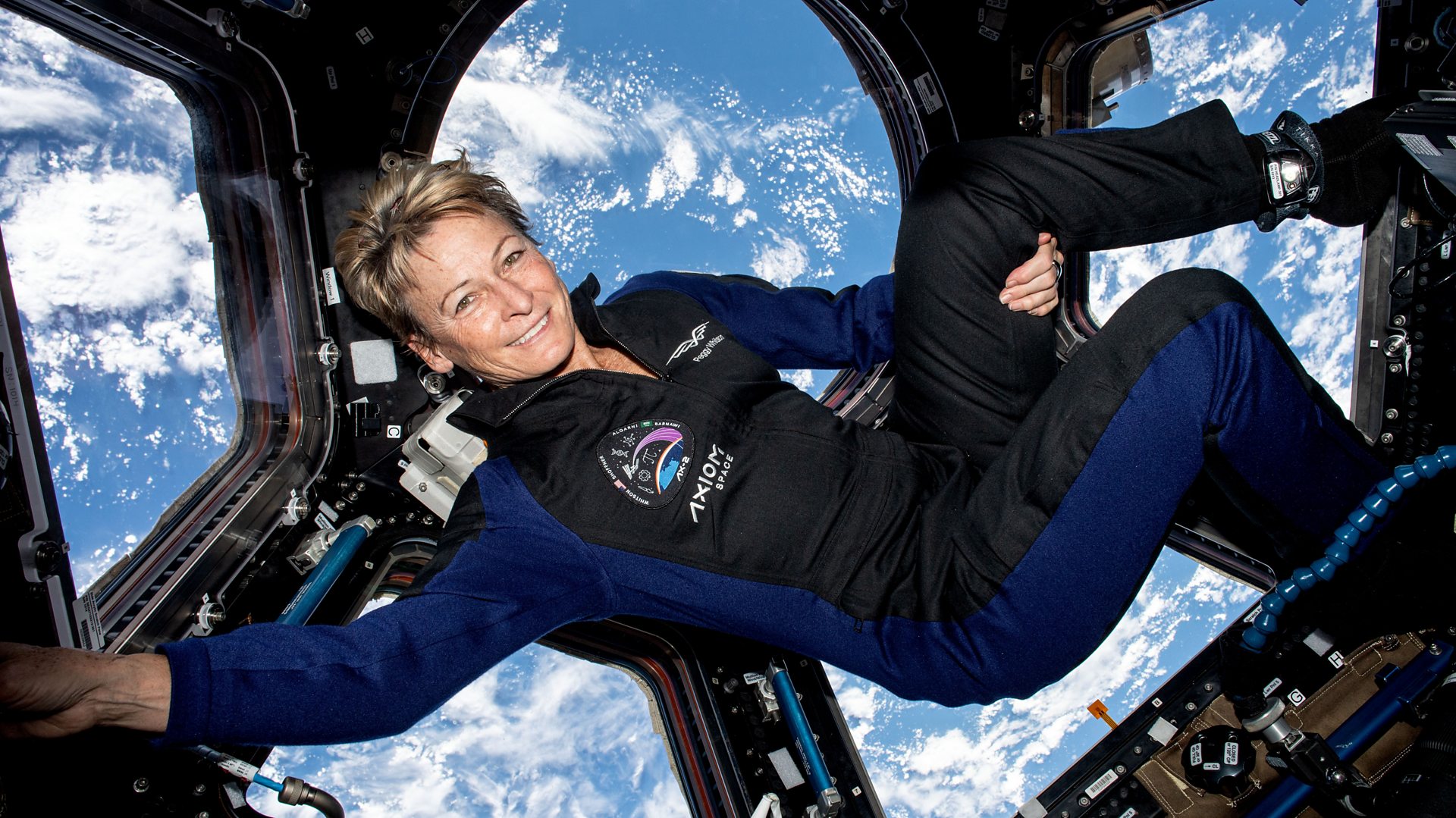
We are About to Learn a Whole, The mysteries of space have fascinated humankind for centuries, but how the human body reacts to space remains one of the most intriguing aspects of space exploration. As we prepare to venture further into the cosmos, understanding these physiological responses is crucial. From the microgravity environment aboard the International Space Station (ISS) to the radiation exposure during deep space missions, space poses numerous challenges to human health. Let’s delve into the comprehensive details of these phenomena and explore the groundbreaking research that is expanding our knowledge.
Read More: Google Launched Free AI Tools 2024
The Impact of Microgravity on the Human Body
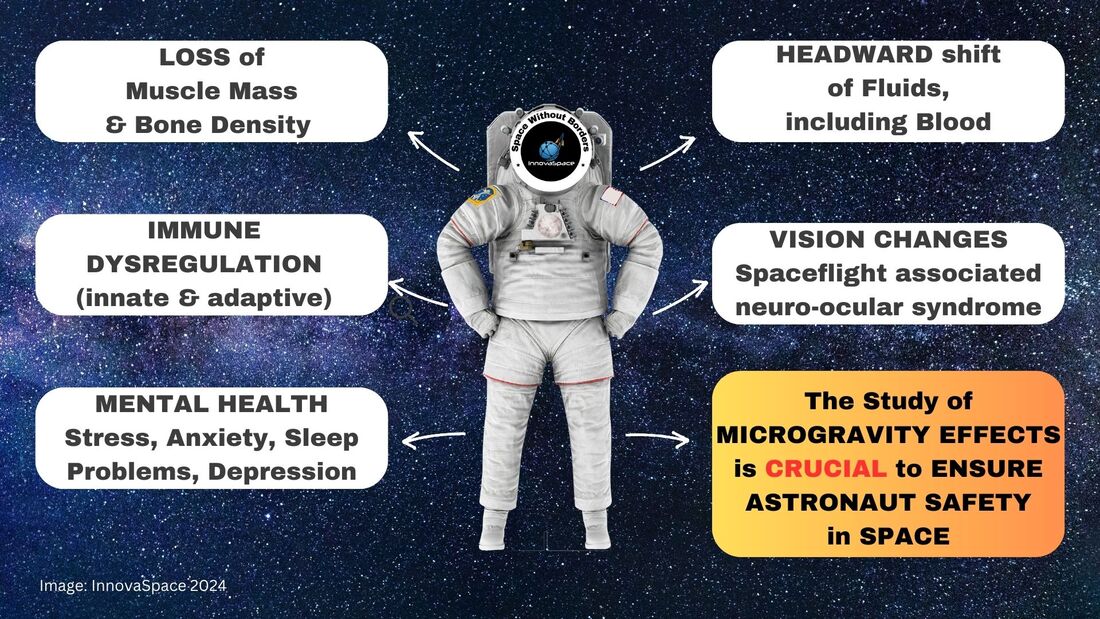
Microgravity, a condition where objects appear to be weightless, significantly affects the human body. Astronauts experience muscle atrophy and bone density loss due to the lack of gravitational forces. Without the need to support their own weight, muscles weaken and bones become more fragile. This phenomenon, known as disuse osteoporosis, can result in a loss of up to 1% of bone mass per month in space.
To combat these effects, astronauts engage in rigorous exercise regimens while aboard the ISS. They use resistance machines and treadmills to simulate weight-bearing activities. Despite these efforts, the loss of muscle and bone mass remains a critical concern for long-duration missions, such as those planned for Mars.
Cardiovascular Changes and Fluid Redistribution
In the microgravity environment, bodily fluids shift towards the head, leading to fluid redistribution. This can cause facial puffiness, nasal congestion, and increased intracranial pressure, a condition referred to as spaceflight-associated neuro-ocular syndrome (SANS). SANS can lead to changes in vision, a significant concern for astronauts during and after their missions.
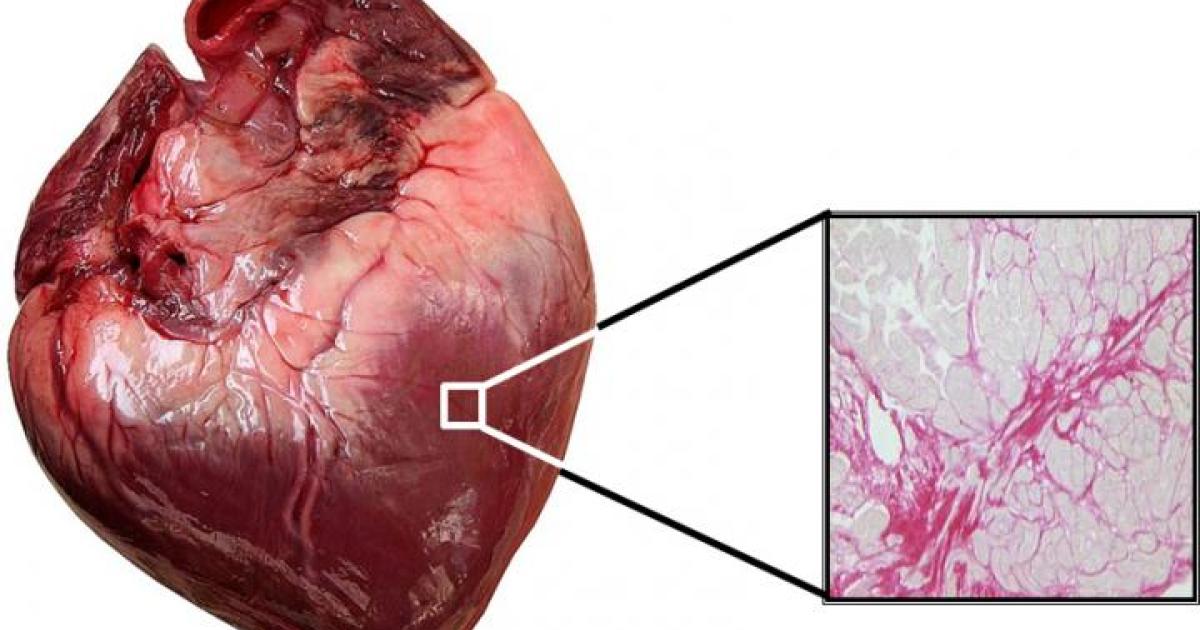
Moreover, the cardiovascular system undergoes notable changes. The heart, no longer working against gravity, can lose muscle mass, a condition termed cardiac atrophy. Blood volume decreases, and the regulation of blood pressure can become impaired, leading to orthostatic intolerance upon return to Earth. This intolerance can make it difficult for astronauts to stand or walk without feeling faint.
Radiation Exposure and Its Consequences
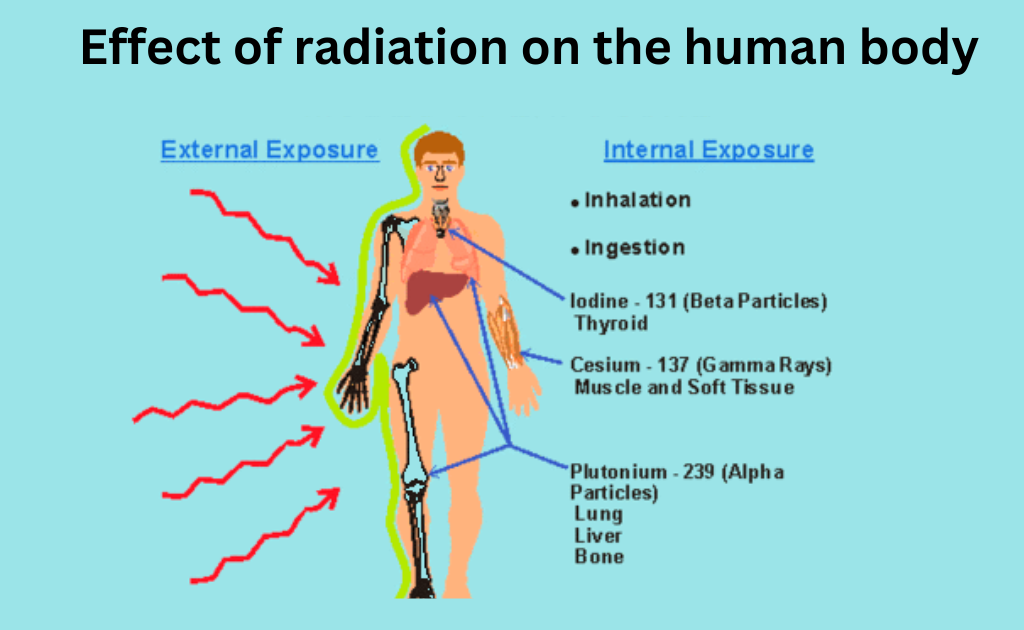
Space travelers are exposed to higher levels of cosmic radiation than on Earth, increasing the risk of cancer and other health issues. The Earth’s atmosphere and magnetic field provide a protective shield, but this is absent in space. Galactic cosmic rays (GCRs) and solar particle events (SPEs) pose significant risks.
Research into radioprotective measures is ongoing, with scientists investigating pharmaceuticals, dietary supplements, and protective shielding materials. The goal is to mitigate the harmful effects of radiation exposure, particularly for missions beyond low Earth orbit where exposure levels are much higher.
Psychological and Behavioral Health in Isolation
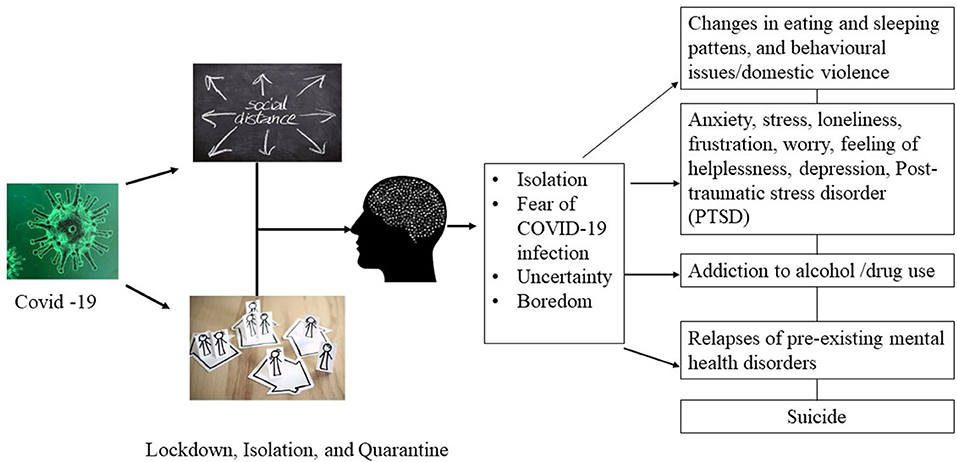
Space missions involve prolonged periods of isolation and confinement, which can impact psychological health. The stress of living in a confined space with limited social interaction can lead to behavioral issues such as depression, anxiety, and interpersonal conflicts. Maintaining mental well-being is crucial for the success of long-duration missions.
NASA and other space agencies have implemented various strategies to support astronauts’ mental health, including virtual reality tools for relaxation, regular communication with family and friends, and structured schedules to provide a sense of normalcy. Psychological support teams are also on hand to address any issues that arise during the mission.
The Role of Nutrition in Space
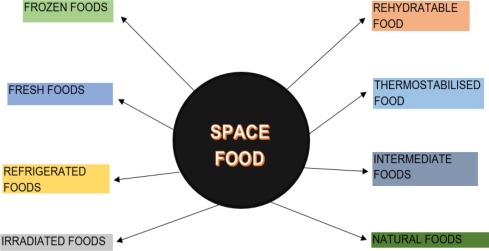
Proper nutrition is essential for maintaining astronaut health. Space food must be carefully formulated to provide all necessary nutrients while being safe to consume in a microgravity environment. Nutritional deficiencies can exacerbate the physiological changes caused by space travel, so diet plays a critical role in counteracting these effects.
Researchers are exploring the benefits of functional foods and nutritional supplements to enhance bone density, muscle mass, and overall health. They are also investigating how the body’s nutrient absorption changes in space to optimize dietary plans for future missions.
Advancements in Space Medicine
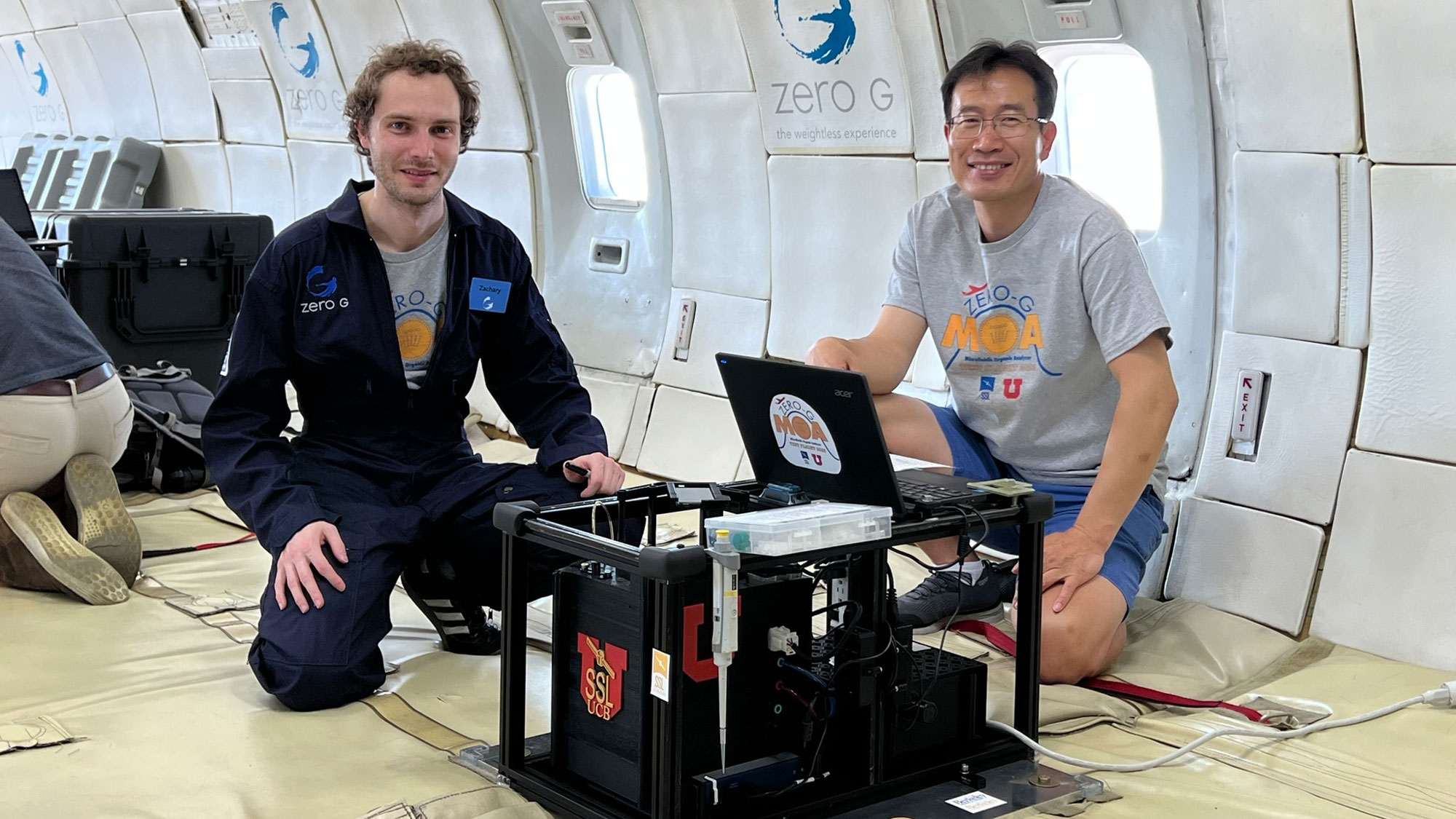
The field of space medicine is rapidly evolving, driven by the need to address the health challenges posed by space travel. Innovations such as telemedicine, which allows for remote medical consultations and diagnostics, are becoming increasingly important. Portable medical devices and autonomous health monitoring systems are being developed to provide astronauts with the tools they need to manage their health independently.
One of the significant advancements is the development of personalized medicine tailored to individual astronauts. This approach considers genetic, physiological, and psychological factors to optimize health and performance in space. By understanding how each astronaut’s body reacts to space, medical interventions can be more targeted and effective.
Future Research and Missions
As we prepare for missions to Mars and beyond, ongoing research will continue to uncover how the human body reacts to space. The ISS serves as a critical platform for conducting experiments that simulate long-duration spaceflight. These experiments provide invaluable data that inform the design of future missions and the development of countermeasures to protect astronaut health.
International collaborations and commercial partnerships are also playing a significant role in advancing our understanding. Private companies like SpaceX and Blue Origin, along with space agencies worldwide, are contributing to a growing body of knowledge. These efforts are crucial for ensuring that astronauts can safely explore and eventually colonize other planets.
Conclusion
Understanding how the human body reacts to space is essential for the success of future space missions. The challenges posed by microgravity, radiation, psychological stress, and nutritional needs are significant, but ongoing research is paving the way for innovative solutions. As we venture further into the cosmos, the knowledge gained from these studies will be instrumental in safeguarding astronaut health and achieving our goals in space exploration.